
Languages
A Multilingual Education

Learning Through Three Languages
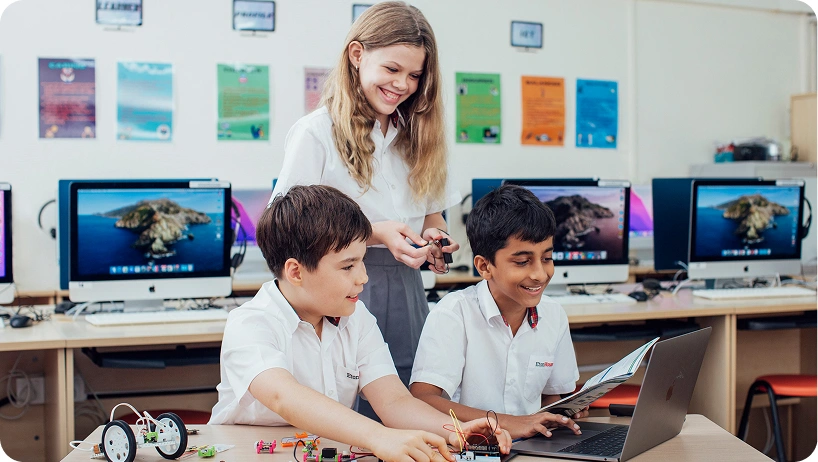
English
Thai ไทย
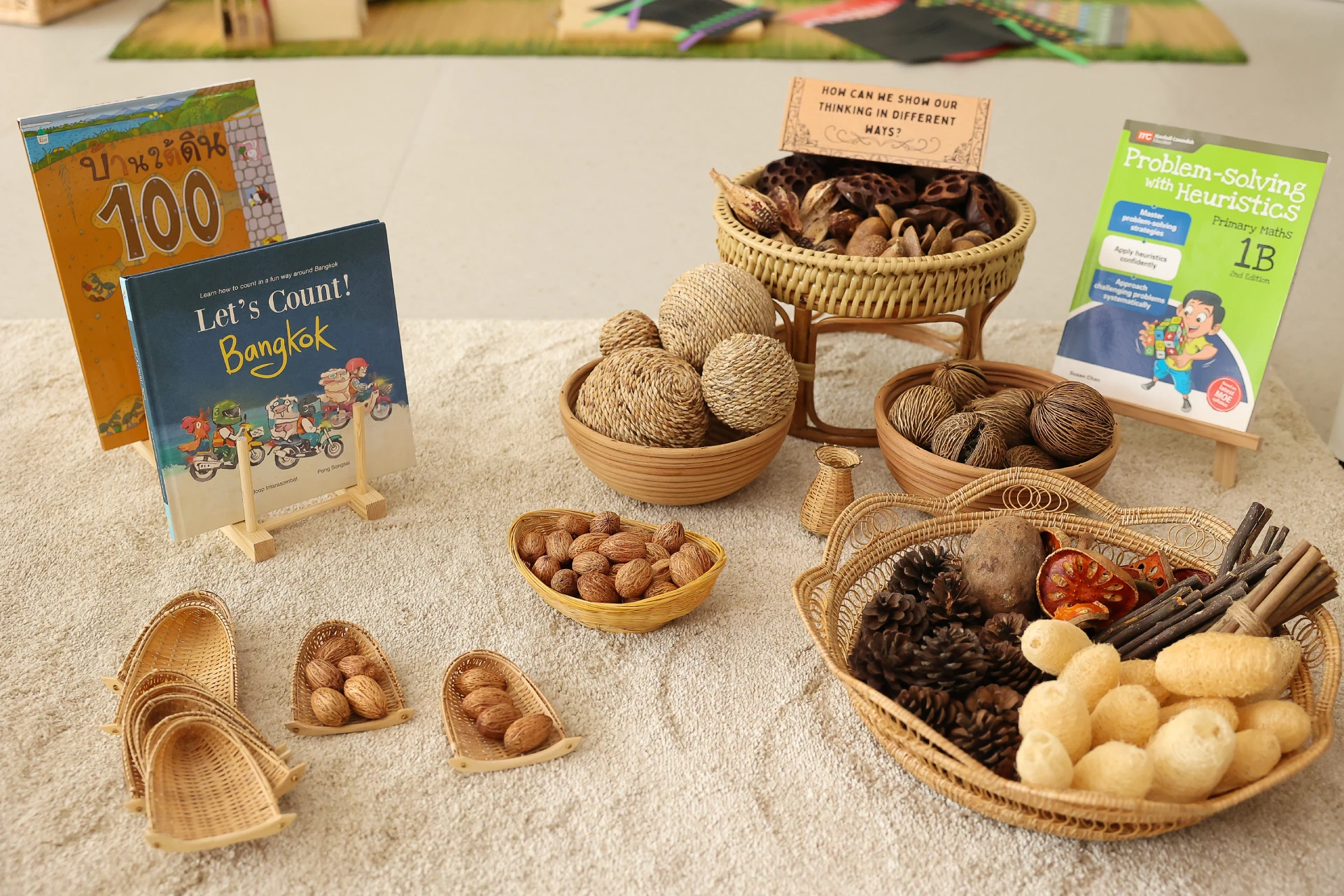

Mandarin 华文
Additional Language Pathways
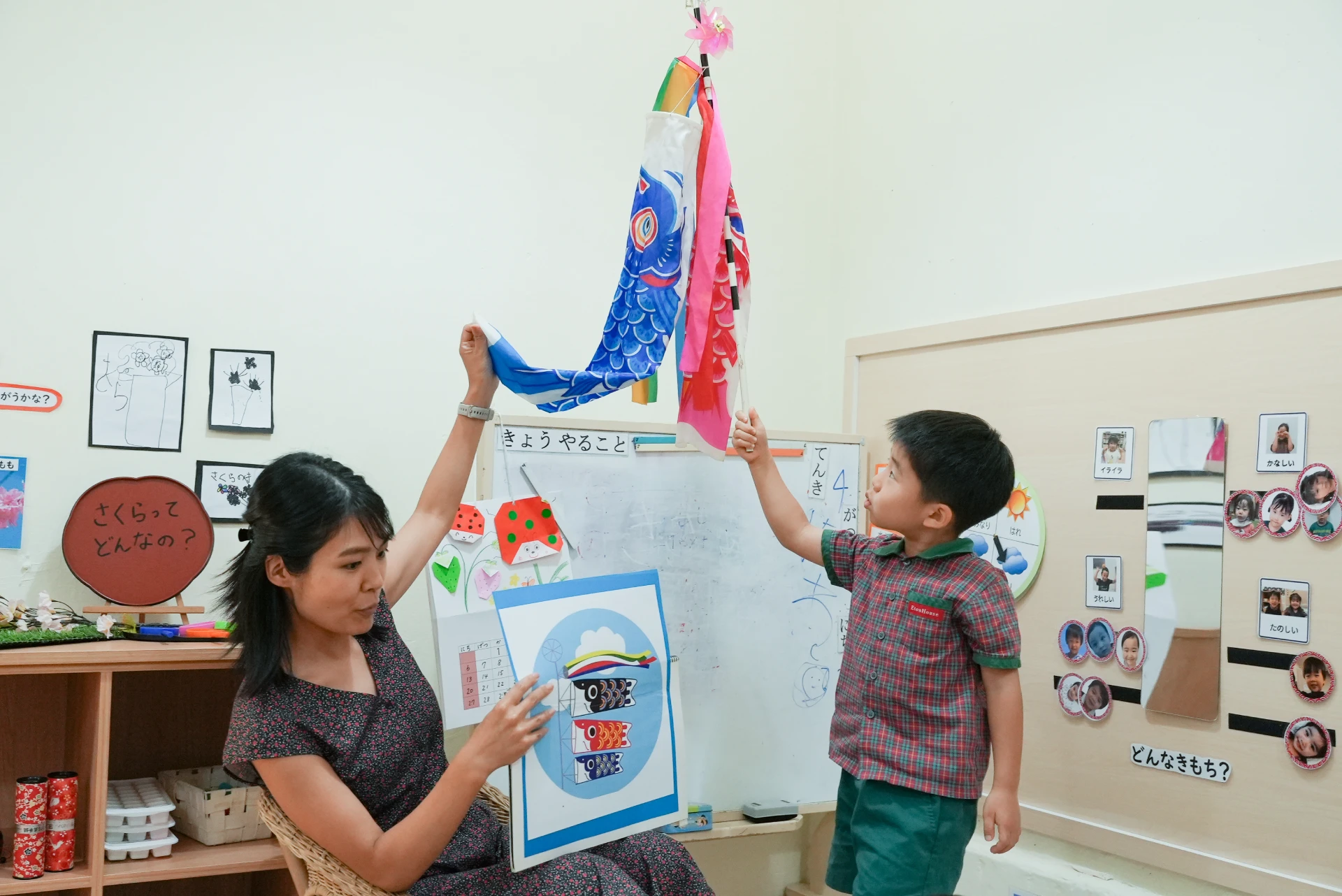
Japanese 日本語

English as an Additional Language (EAL)
FAQ
Frequently Asked Questions
What languages are offered at EtonHouse Bangkok?
English, Thai and Mandarin form the trilingual experience at EtonHouse Bangkok.
Japanese is offered as an additional language pathway for native and non-native learners. English as an Additional Language provides targeted support for children who are developing their English proficiency.
Does my child need prior experience in all three languages?
No. Children join us with different language backgrounds and levels of experience.
Some may already communicate in several languages, while others may be encountering Thai or Mandarin for the first time. Educators begin with what each child already knows and create appropriate opportunities for them to listen, participate and progress.
How are English, Thai and Mandarin used in school?
English is the primary language of instruction and is used throughout the curriculum.
Thai and Mandarin are delivered by specialist educators through dedicated learning experiences. All three languages are developed through meaningful contexts such as conversation, stories, inquiry, creative expression, play and shared cultural experiences.
Is EtonHouse Bangkok a trilingual international school?
Yes. English, Thai and Mandarin are woven into the life of EtonHouse Bangkok, giving children meaningful opportunities to encounter and use all three languages through learning, relationships and everyday experiences. Beyond this trilingual foundation, we offer Japanese for native and non-native learners, as well as English as an Additional Language support.
How are languages taught at EtonHouse Bangkok?
Children develop language by living it. They listen, play, inquire, tell stories, exchange ideas and express themselves through music, movement, drama and the creative arts. These joyful and purposeful experiences give language meaning, allowing confidence and understanding to grow naturally rather than through memorisation.
Does my child need to speak English, Thai or Mandarin before joining?
No. Children join us with different languages, cultures and experiences, and each is welcomed from their own starting point. Educators listen closely to how a child communicates and create appropriate opportunities for them to participate, form relationships and gradually find their voice in each language.
What are the benefits of a trilingual education?
Learning through English, Thai and Mandarin gives children more ways to think, communicate and understand the world. As they move between languages and cultural perspectives, they learn to listen attentively, express ideas in different ways and build relationships with people from diverse backgrounds.
Will learning three languages confuse my child?
Children are capable communicators who can develop relationships with more than one language. Their confidence may grow differently in each, and that is a natural part of multilingual learning. Consistent exposure, meaningful contexts and the freedom to listen and experiment allow each language to develop without expecting identical progress across all three.
How are Thai language and culture reflected across the school?
Thai is experienced as a living language connected to the country and community children call home. Literature, artefacts, traditions, celebrations, creative arts and encounters with local people and places enrich the school environment and inspire questions, conversations and inquiries. This helps children develop not only their language but also a genuine sense of connection and belonging.
Is Japanese suitable for native and non-native learners?
Yes. For Japanese-speaking children, the programme helps sustain their home language, cultural identity and relationships with family. For learners encountering Japanese for the first time, it offers a joyful introduction to the language and its cultures. A specialist educator responds to each child’s experience and supports their development from an appropriate starting point.
Does EtonHouse Bangkok offer English as an Additional Language?
Yes. Our specialist EAL programme supports children as they develop their English proficiency. An assessment is required to help the school understand each learner’s current language profile and recommend the level and form of support they may need. Depending on the child, support may take place individually, in small groups or within the classroom.
• Testimonials
“EtonHouse Bangkok was founded on the belief that young minds are naturally curious, and that a school's role is to protect and extend that curiosity
— not narrow it.”
John Doe
Parents of Primary 3 child
Parenting resources
September 29, 2026
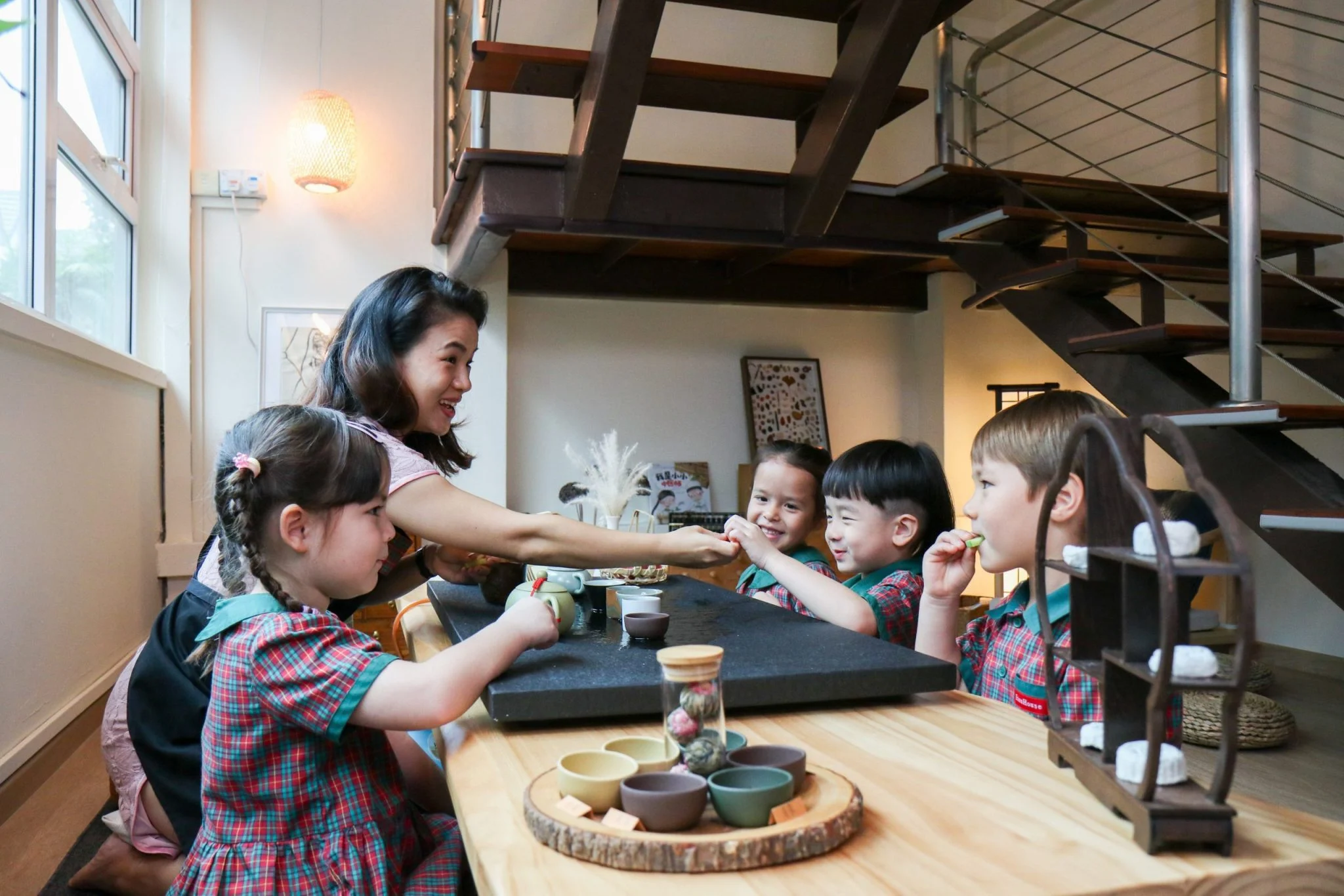
Discover how early immersion and experiences tailored to each child can build confidence, cultural understanding,…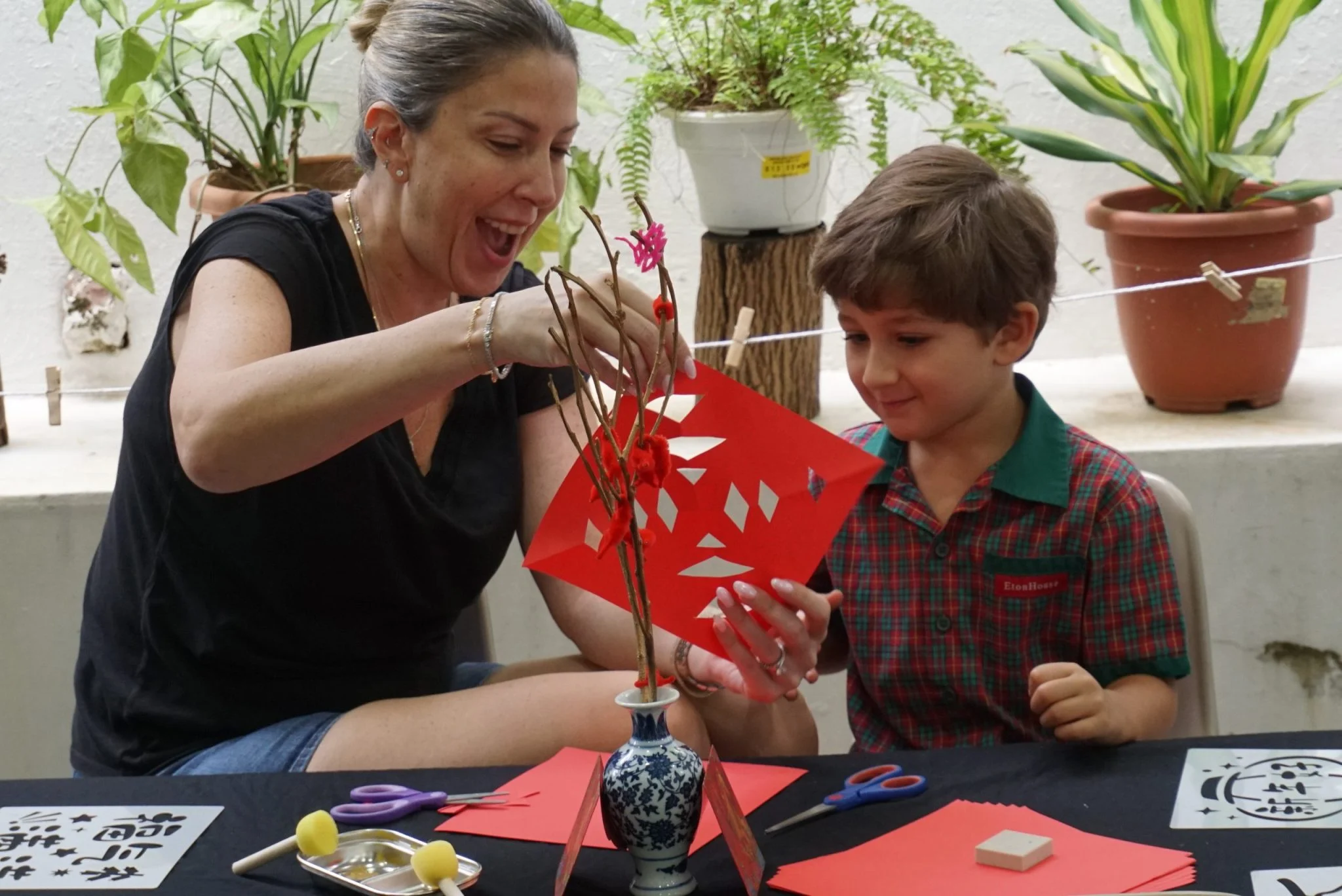
September 29, 2026
Explore how relationships, traditions and encounters with different cultures can nurture empathy, respect and a…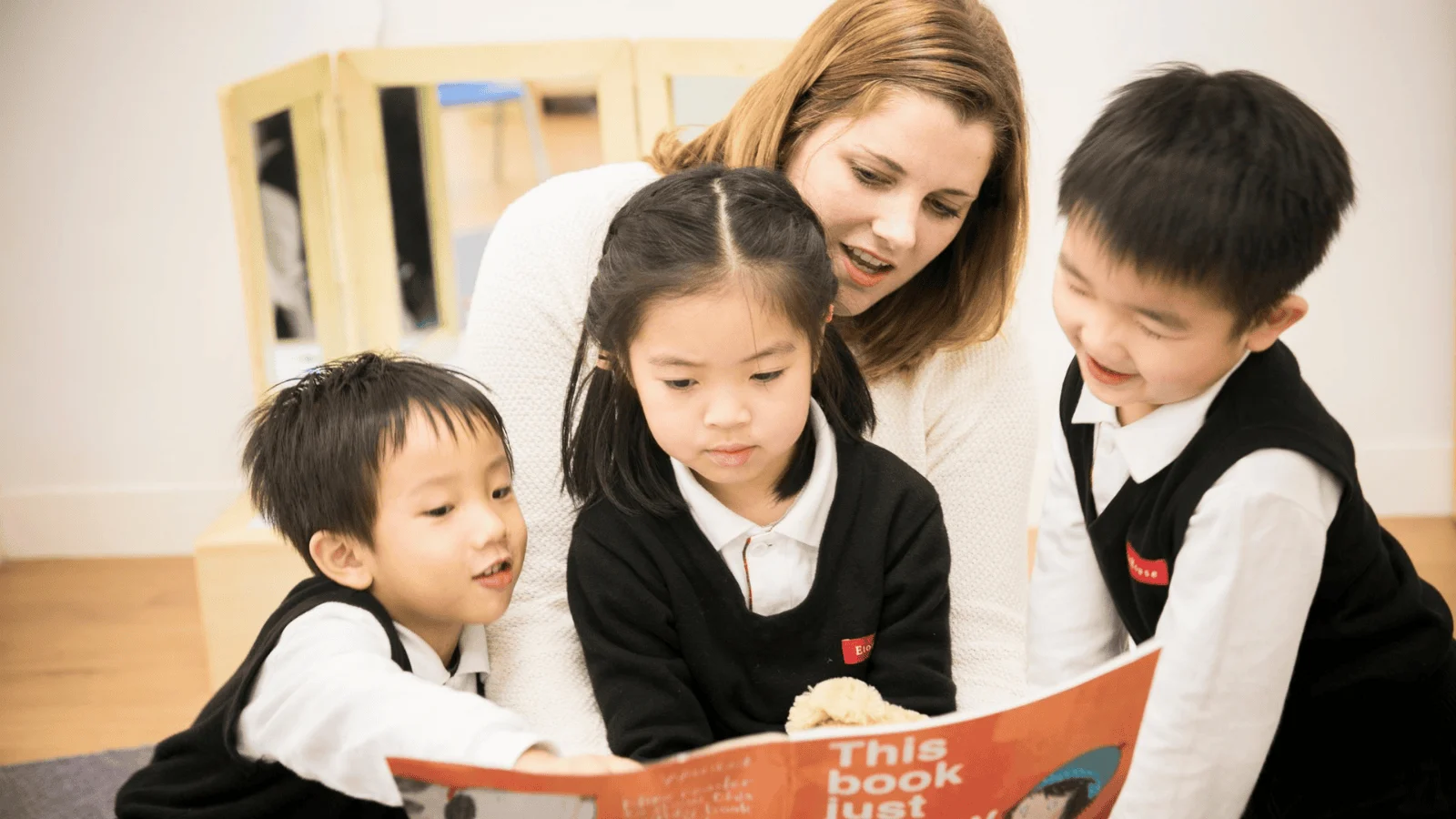
September 29, 2026
Explore how meaningful relationships, consistent exposure and authentic communication can help children develop confidence across…