
Reggio Emilia
Emilia Network
The Story of Reggio Emilia In Asia

Curious & Confident Learners
Learning Through Exploration
Reggio Emilia Approach

The Environment as Third Teacher

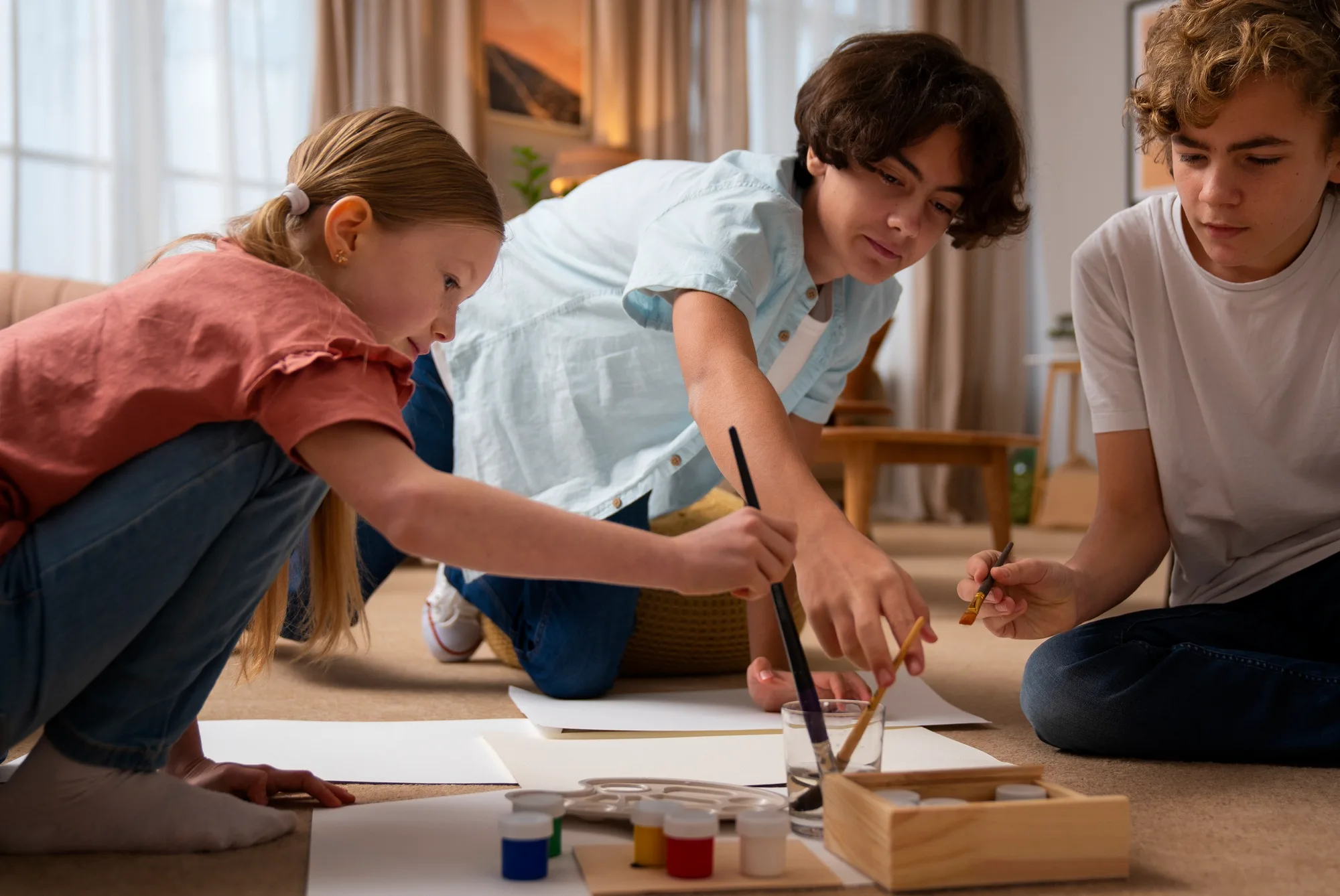
The Hundred Languages of Children

Learning Made Visible
Reggio Emilia Approach & Philosophy








Inspiration
The Benefits of a Reggio Emilia Inspired Education

Confident Communicators

Critical Thinkers
Connected Learners
FAQ
Frequently Asked Questions
What is the Reggio Emilia Approach?
The Reggio Emilia Approach is an educational philosophy that originated in the municipal infant-toddler centres and preschools of Reggio Emilia, Italy.
It sees children as capable learners with rights, ideas and many ways of expressing their understanding. Learning develops through inquiry, relationships, thoughtful environments and collaboration with educators and families.
Is Reggio Emilia a curriculum?
No. Reggio Emilia is a philosophy and way of approaching teaching and learning, not a prescribed curriculum or set of lesson plans.
At EtonHouse International School Bangkok, the philosophy informs how educators view children, interact, listen to them, design learning environments and develop meaningful inquiries while meeting clear curriculum goals.
What makes EtonHouse’s connection to Reggio Emilia distinctive?
EtonHouse has practised and advocated for this approach for many years. Through Reggio Emilia in Asia for Children (REACH), EtonHouse works directly with Reggio Children and serves as its reference point in Singapore and China.
This relationship provides access to continuing dialogue, research and professional learning connected to the original educational experience in Reggio Emilia.
What is the role of the educators?
Educators are researchers, collaborators and intentional curriculum planners. They observe and document children’s learning, introduce thoughtful provocations and connect emerging inquiries with academic concepts. They know when to step forward with guidance and when to give children time to investigate independently.
Does child-led learning mean that academic outcomes are left to chance?
No. Educators plan with clear learning goals and use their professional knowledge to extend each inquiry. For example, a project involving the construction of a shelter can introduce measurement, spatial language, material properties, storytelling, and collaborative problem-solving within a one meaningful context.
What are the Hundred Languages of Children?
The Hundred Languages describe the many ways children think, explore and communicate.
These may include speech, writing, drawing, clay, construction, music, movement, dramatic play, photography and digital media. Children can use several languages to revisit the same idea and develop a more complex understanding.
How does the environment support learning?
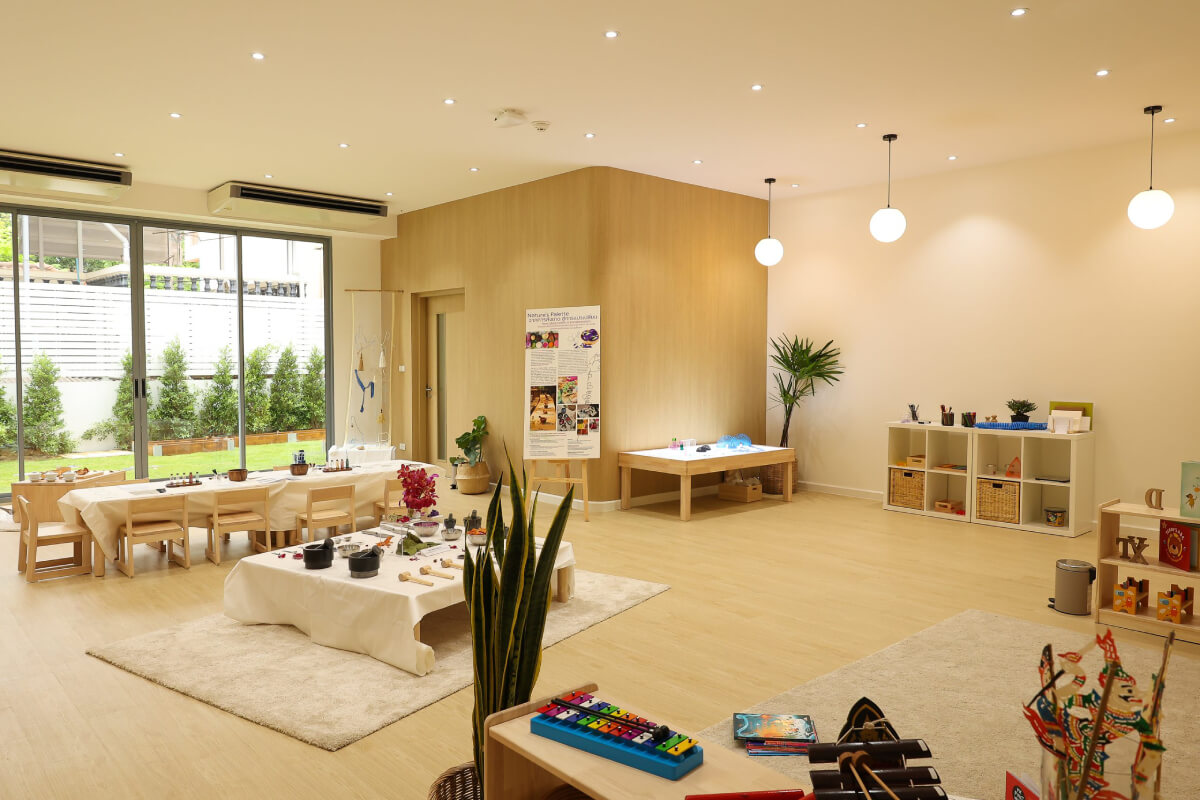
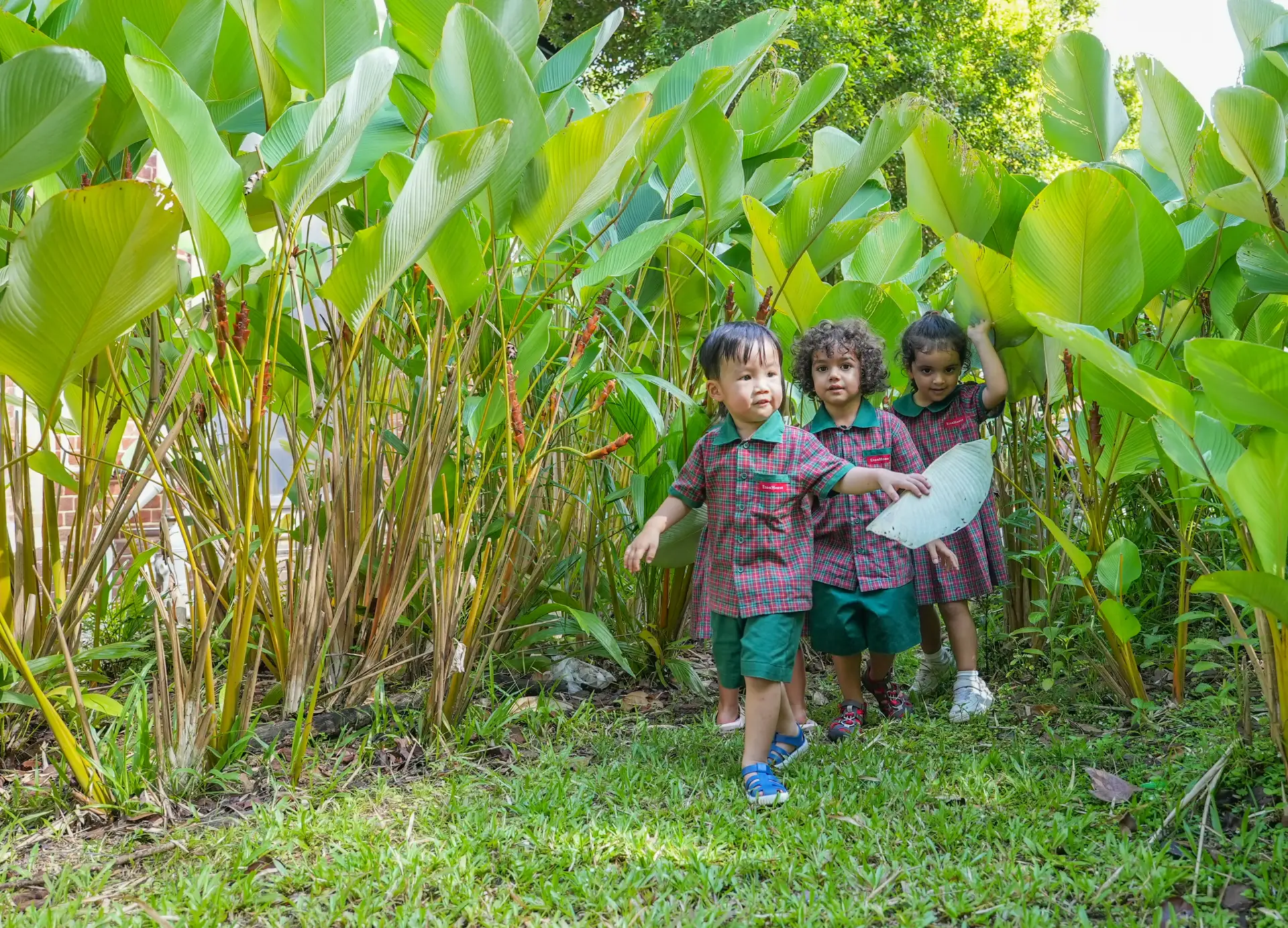
Materials, light, layout and access to nature influence how children explore and interact.
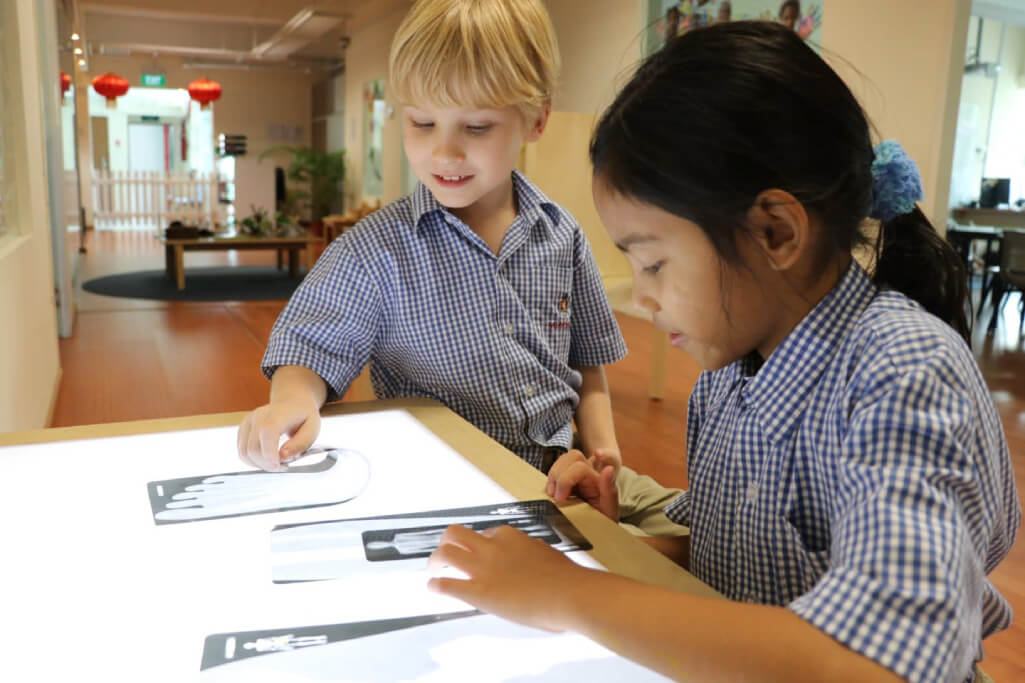
EtonHouse Bangkok’s learning studios and ateliers are intentionally designed to provoke curiosity, encourage collaboration and allow children to make choices about how they work.