
The Hundred Languages Studio
A multi-sensory space where children express ideas through art, light and shadow honouring the many ways children communicate and learn.

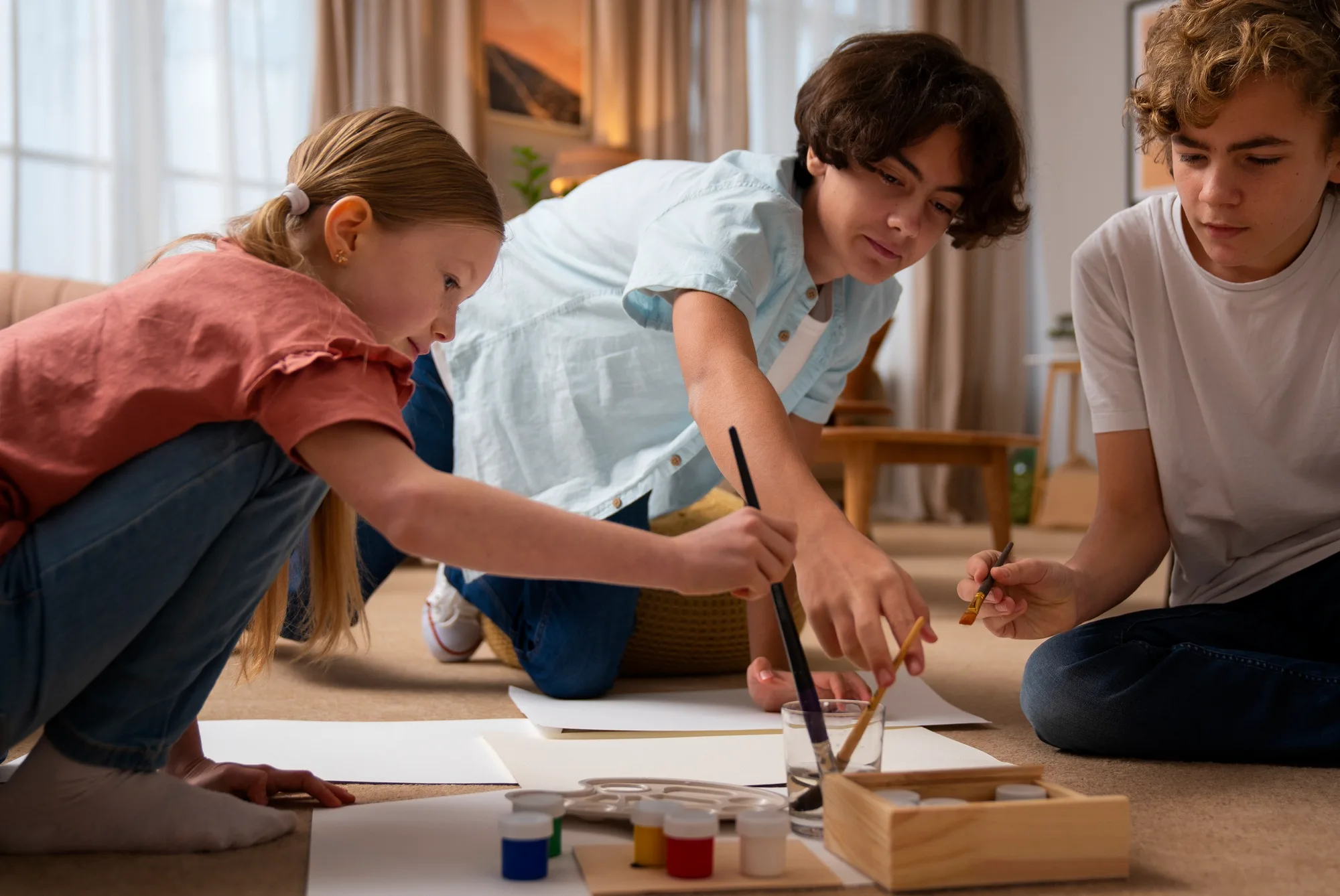
A multi-sensory space where children express ideas through art, light and shadow honouring the many ways children communicate and learn.
Professional-grade tools for storytelling, animation and digital media. Students learn to craft narratives for the screens of tomorrow.
Hands-on prototyping with robotics, 3D printing and design thinking. Where curiosity meets engineering and ideas become real.
A vibrant space for composition, ensemble work and stagecraft. Children explore sound, movement and the joy of shared performance.
A calm, inviting haven for deep reading, storytelling and literary discussion. Where words open new worlds and voices find strength.
Outdoor-connected learning focused on ecology, gardening and sustainable systems. Children become stewards of the living world.
Sensory exploration of food culture, nutrition and culinary creativity. Learning through flavour, texture and the shared table.

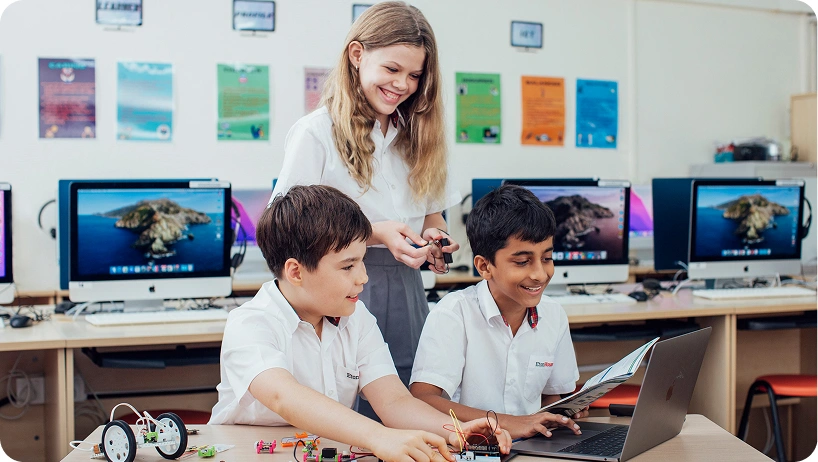
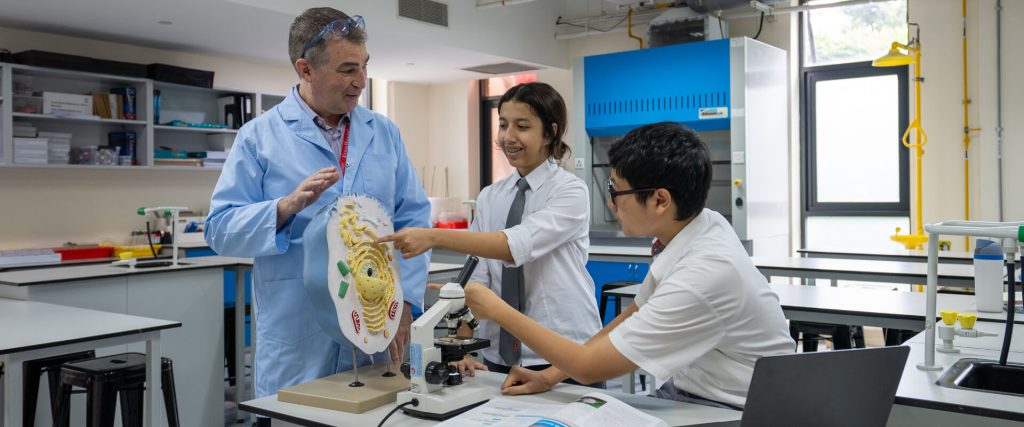
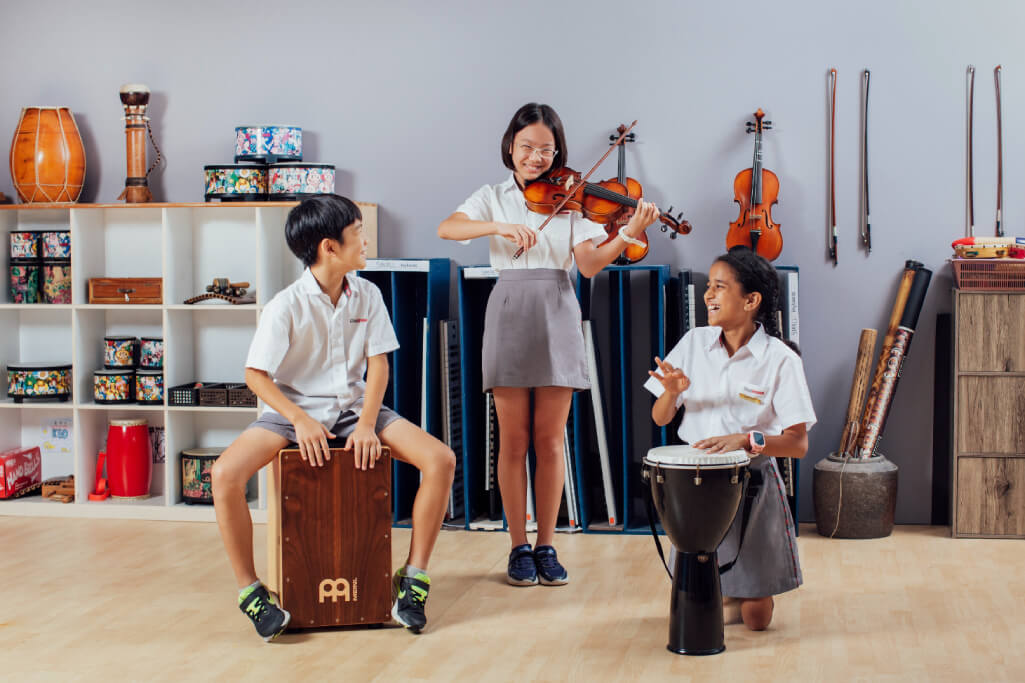
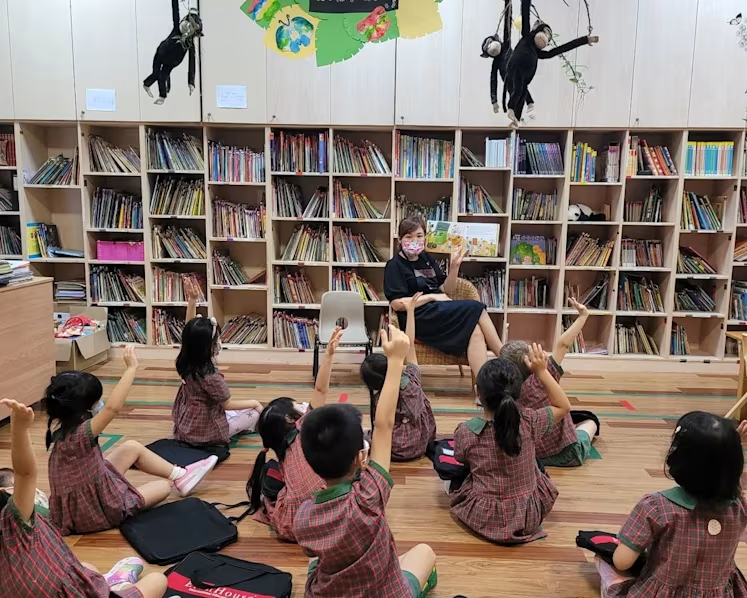

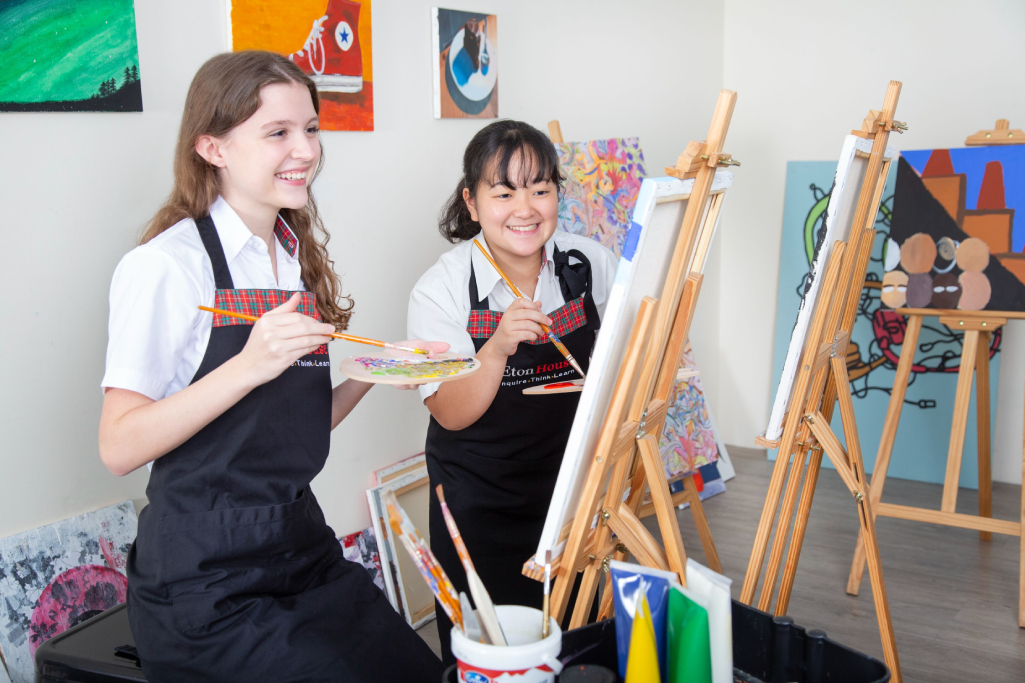
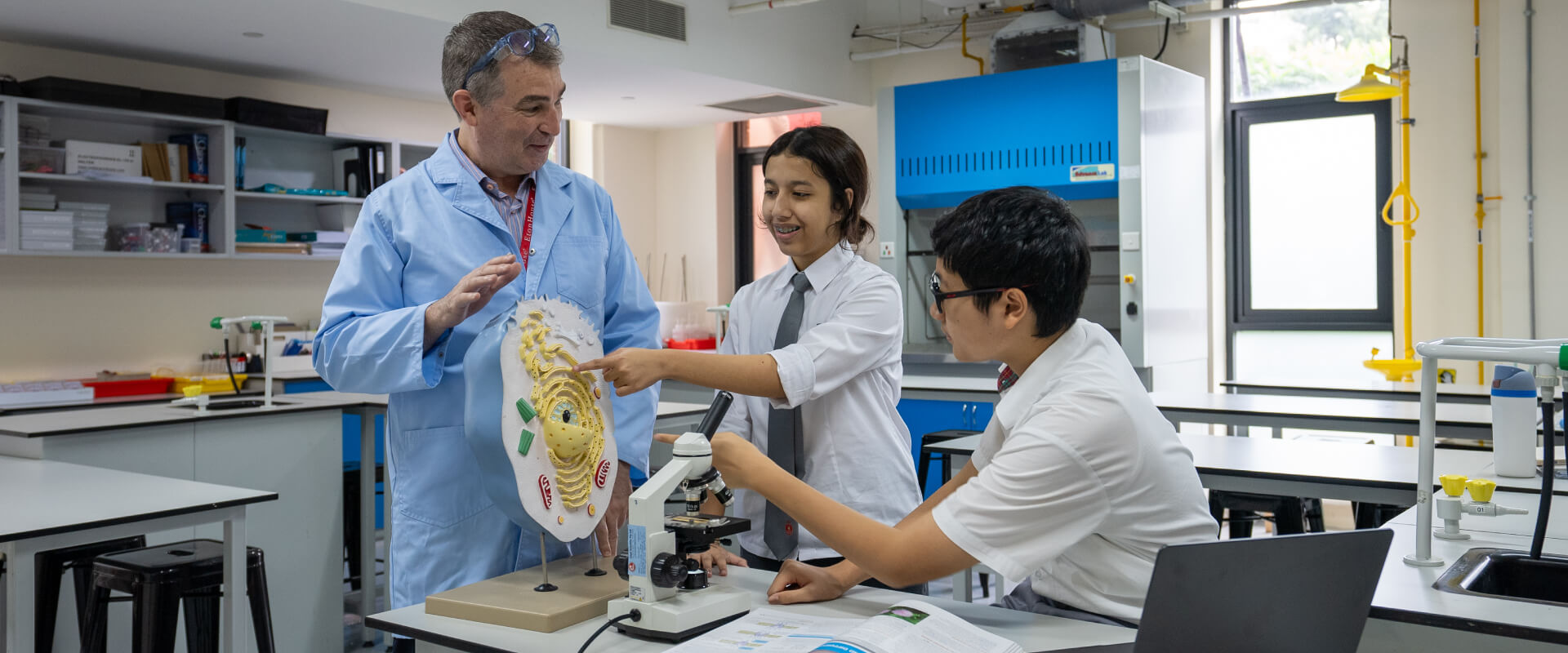




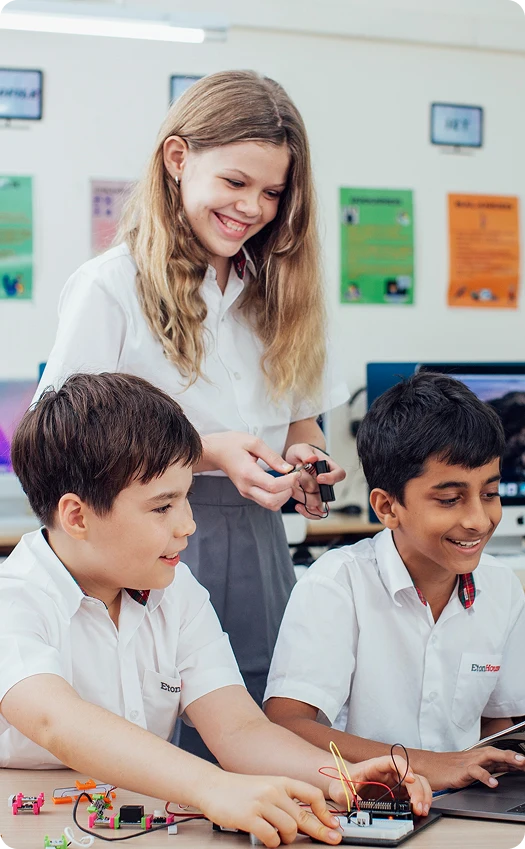
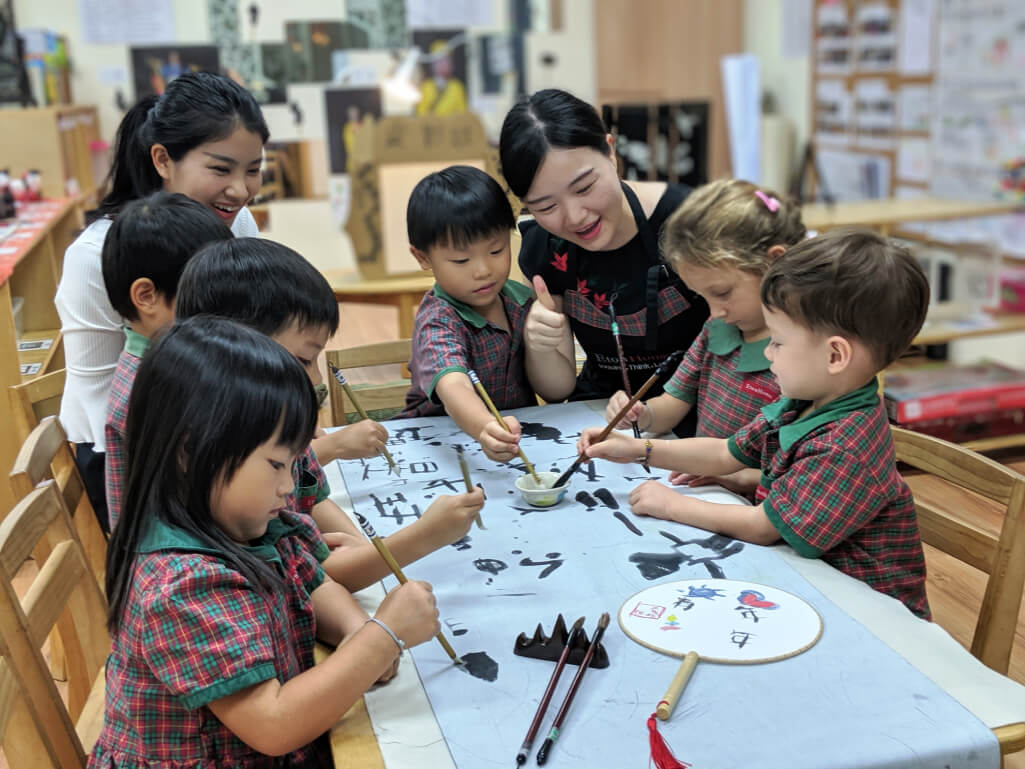

Learning Studios are thoughtfully designed spaces where children can explore, create, collaborate and learn through hands-on experiences. Each environment is designed to encourage curiosity, independence and meaningful learning.
Our Learning Studios are designed around the needs and interests of children. Flexible spaces, natural materials and carefully selected resources provide opportunities for children to move between different types of learning, exploration and collaboration.
The studios encourage children to learn through inquiry, experimentation and real-world experiences. Children are given opportunities to ask questions, investigate ideas, solve problems and develop their own understanding.
Yes. Play is an important part of children’s learning, particularly in the early years. Through purposeful play, children can develop communication, social, creative, physical and problem-solving skills.
Children are encouraged to make choices and follow their interests within a thoughtfully prepared learning environment. Educators observe these interests and use them to extend children’s learning experiences.
Educators act as facilitators and learning partners. They observe children, ask thoughtful questions, introduce new ideas and provide resources that help children deepen their investigations.