School of the Future
One of a Kind International School in Bangkok, Purposefully Designed for Learners

Learning in the World, Not Only About It
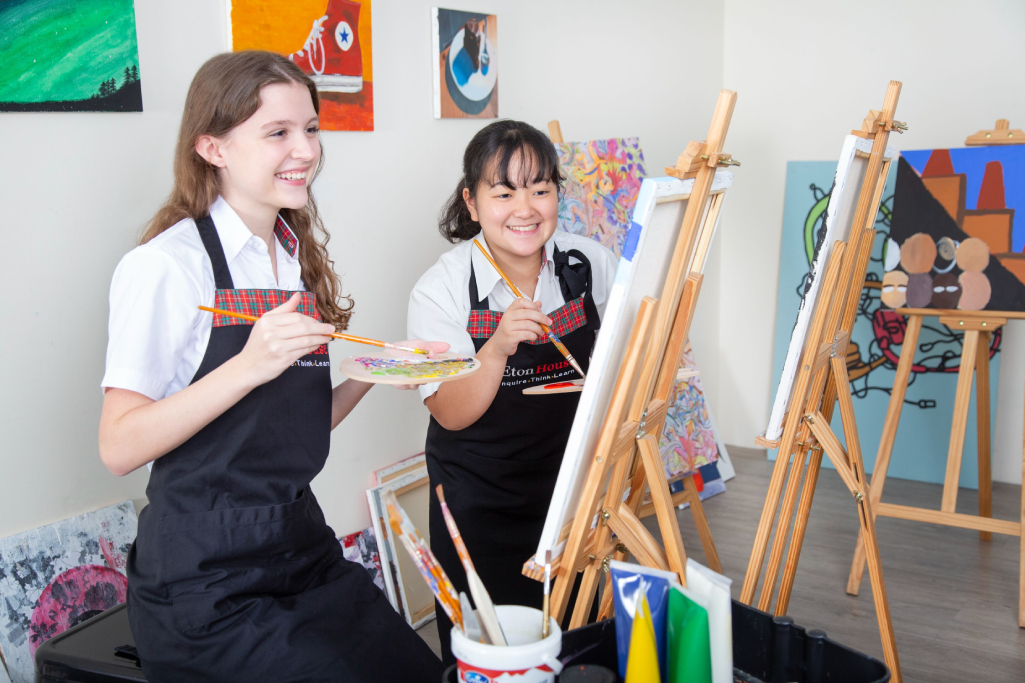
Purpose-Built Learning Studios for Future-Ready Learning
Connected thinking
Because the real world doesn't work in single subjects. Children learn to connect ideas, ask better questions and apply knowledge in meaningful contexts.
Geography → Mathematics
From maps to scale.
Mathematics → Outdoor Education
From numbers to movement.
Environment → Learning
The environment as third teacher.
FAQ
Frequently Asked Questions
What makes EtonHouse Bangkok a School of the Future?
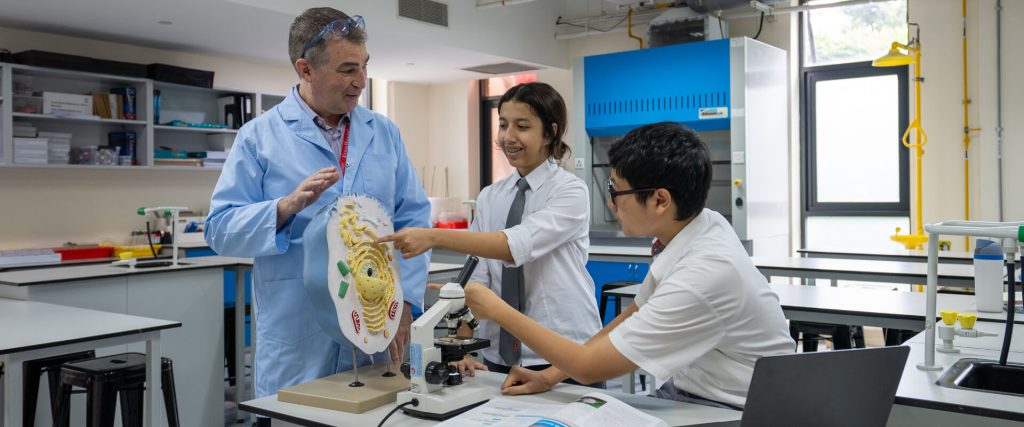
Our educational approach combines strong academic foundations with learner agency, creative intelligence and opportunities to apply knowledge in meaningful contexts. Purpose-built ateliers, studios and specialist spaces enable children to research, make, test, communicate and improve their ideas.
We are preparing learners not only for the next stage of their educational journey, but also to navigate change, pursue their own questions and contribute meaningfully to the world around them.
How does the Reggio Emilia approach influence learning?
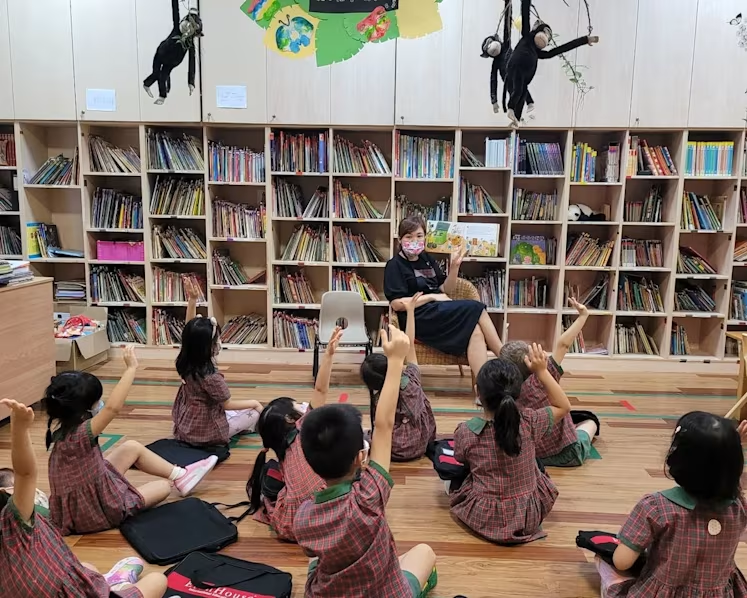
The Reggio Emilia approach recognises children as capable learners with ideas worth exploring. Teachers listen closely to children’s questions and use them to develop rich inquiries. Materials, spaces, documentation and collaboration all contribute to how children develop and communicate their understanding.
EtonHouse Bangkok is the first and only school in Bangkok within the international network of Reggio Children.
Are the studios used as part of the curriculum?
Yes. The learning spaces form part of everyday teaching and learning. Children use them to develop curriculum knowledge, pursue inquiries and create work that connects different disciplines.
Does future-ready education mean a greater focus on technology?
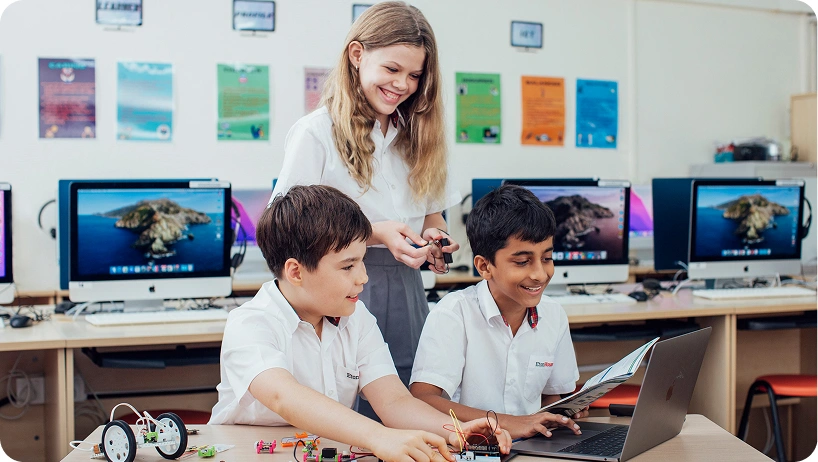
Technology is an educational tool that supports research, creation, communication and problem-solving. Children learn to select and use digital tools when they can help them investigate a question, develop an idea or present their learning more effectively.
Instead of replacing, these digital experiences complement physical materials, books, nature, movement and face-to-face collaboration. The focus is on helping children understand which tools best serve their purpose and how to use them thoughtfully, responsibly and effectively.
How does the school develop creativity?
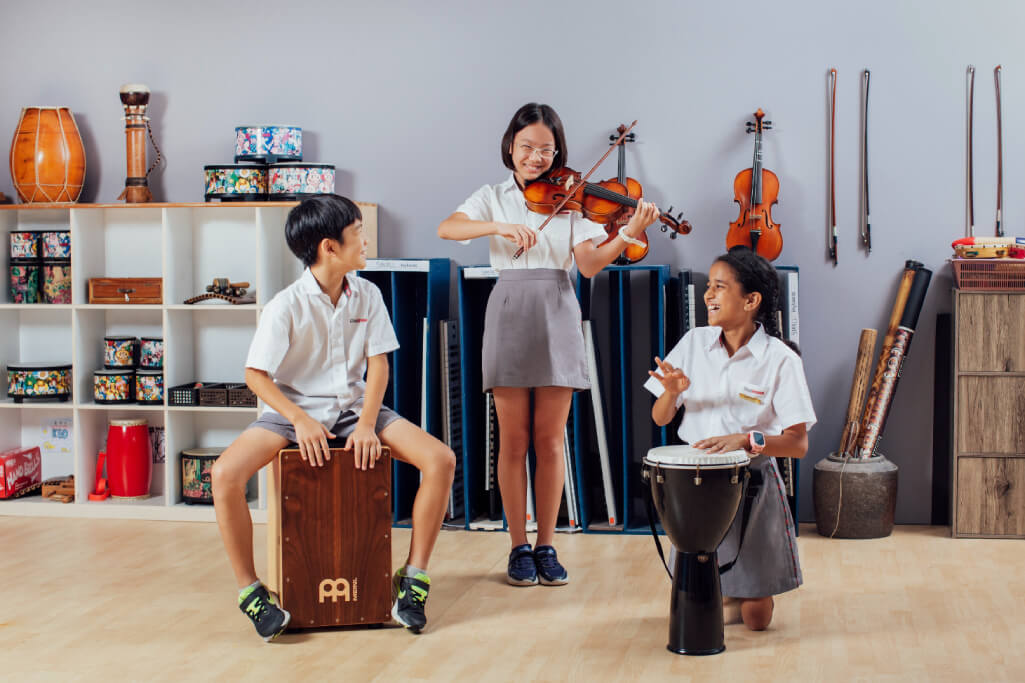
Children encounter open-ended questions that can have multiple possibilies. They explore different materials and perspectives, develop original ideas and learn to improve their work through feedback and reflection.
Creativity extends beyond the arts. It shapes how children solve problems, communicate and respond to unfamiliar situations.
How do these spaces support academic learning?
Each space creates authentic contexts for applying curriculum knowledge. Children might use mathematics to test a design, develop literacy through scriptwriting, or apply scientific understanding while investigating food and natural systems. This approach helps children understand how knowledge works beyond an individual lesson or subject.