
EtonHouse Global Classroom
Connecting Learning Across Boundaries
Why Global Classroom?
Relationships and Belonging

Lived International-Mindedness

Deeper Inquiry
The Hundred Languages
Learning Beyond One Campus

A Shared Professional Learning
Global Classroom in Action
A Journey in Time: Singapore and Suzhou
Park Atelier: Singapore and Italy
EtonHouse Spotlight
Where children don't just learn about the world—they learn in it.
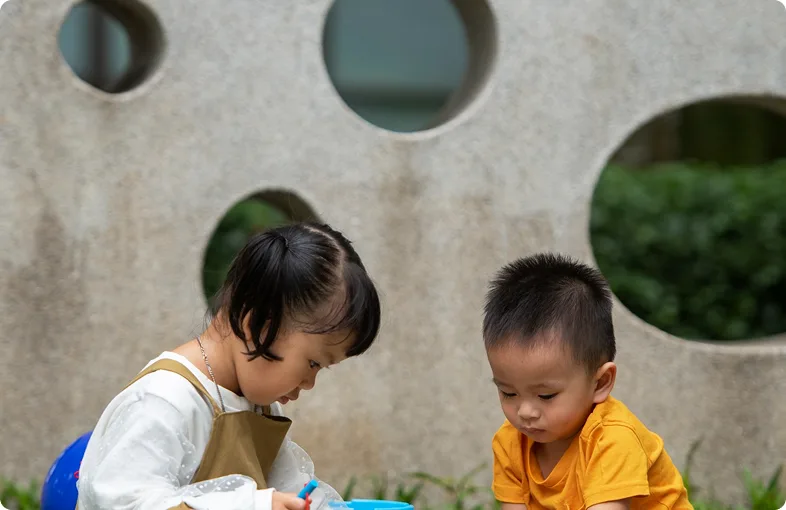
Diam viverra enim bibendum
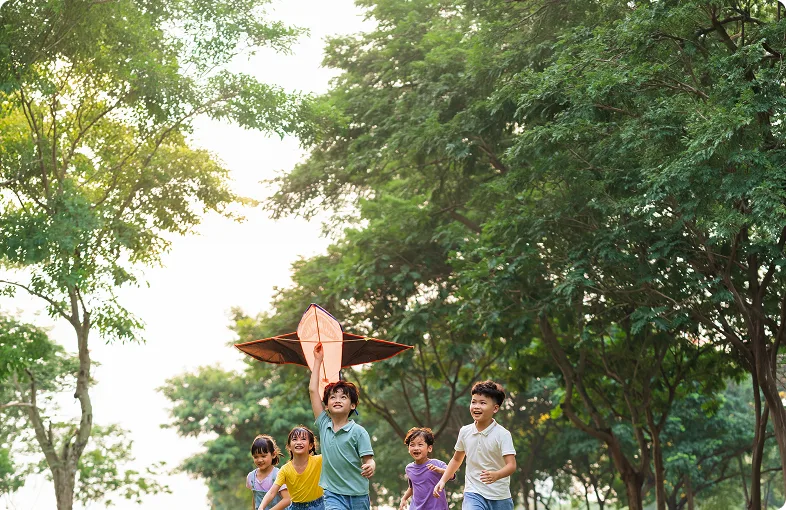
Diam viverra enim bibendum
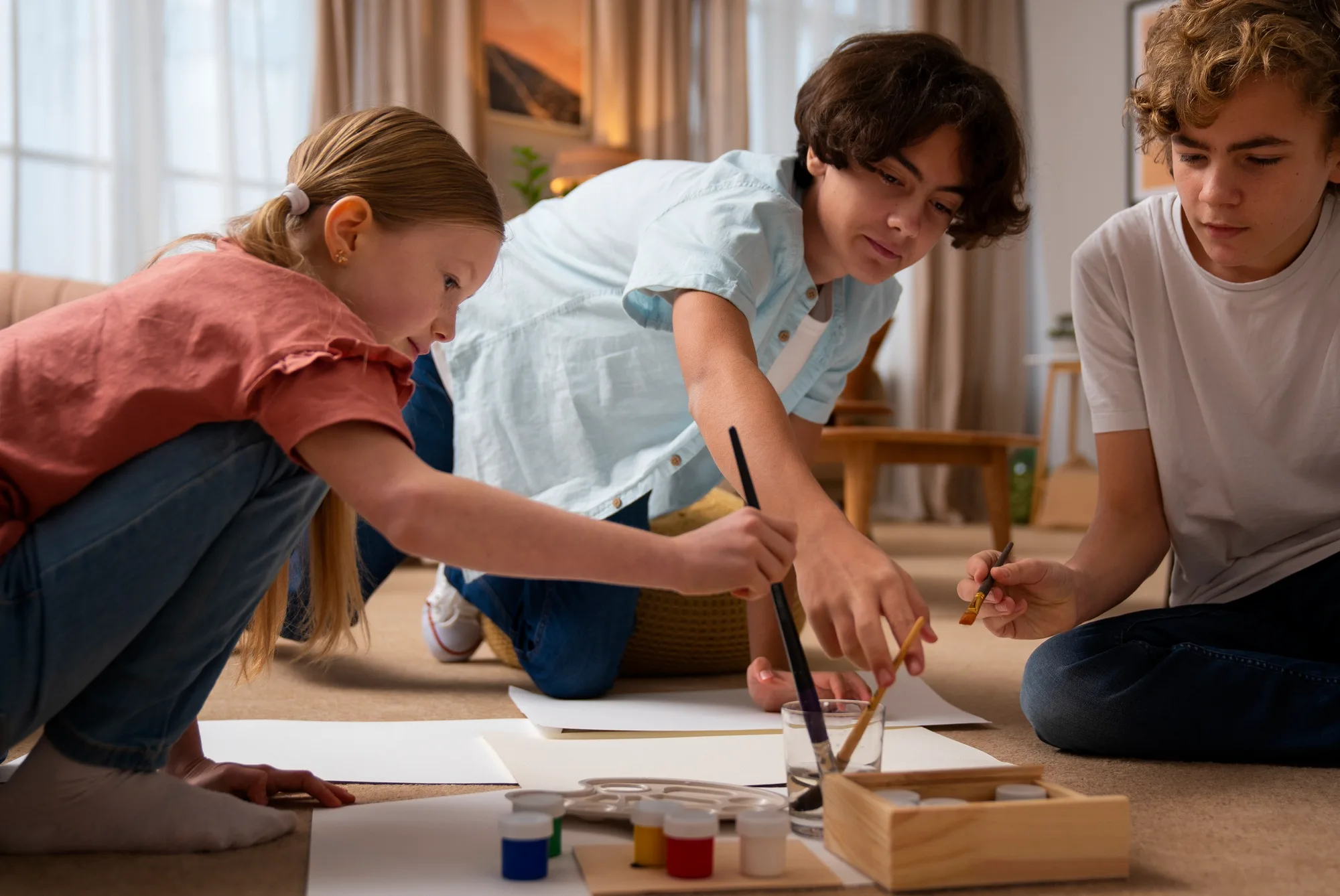
Diam viverra enim bibendum
What started as an idea to link classrooms across borders for shared experiences, has become a living practice of international mindedness. Global Classroom has, in many ways, become a shared professional studio for us—one where children and teachers are learning side by side to see, to listen, and to present their work to the world with intentionality, care and joy.
— Atima Joshi, Executive Principal and Head of Pedagogy of EtonHouse Group
FAQ
Frequently Asked Questions
What is the EtonHouse Global Classroom?
The Global Classroom connects EtonHouse students and educators across countries and campuses. Through shared inquiries, collaborative projects, mentorship and cultural exchange, participants learn from different experiences and perspectives.
How does a Global Classroom project work?
Learners and educators from two or more campuses identify a shared question that is meaningful to them. The project develops over time, allowing them to build relationships and influence where the inquiry goes next.
What might my child work on with students in another country?
Your child in Bangkok might investigate sustainable cities with a peer in Singapore or Saudi Arabia, compare local food cultures or explore how history has shaped different communities. Projects can draw on science, the arts, technology, language and the humanities, depending on the children’s interests and the questions they pursue.
How do mentors and experts participate?
Mentors and domain experts bring real-world knowledge into an inquiry. They may introduce a challenge, answer questions or provide feedback as students develop their ideas. This helps children understand how knowledge is applied beyond school and introduces them to different fields of work.
Does the Global Classroom include international exchange?
Yes. Cross-campus collaboration extends into cultural immersion and international exchange, giving students opportunities to learn alongside peers and experience another EtonHouse community. The available programmes, destinations and eligibility will depend on the child’s age and stage of learning.
What skills do students develop?
Students strengthen their communication, research and critical-thinking skills while learning to collaborate across cultures. They also develop the confidence to contribute ideas, consider feedback and work with others towards a shared outcome.
How does the Global Classroom develop international mindedness?
Children encounter different cultures through genuine relationships rather than learning about them only from a distance. They discover how another child experiences the world and learn to approach differences with curiosity, empathy and respect.