

Written by Kim Fitzharris, atelierista at EtonHouse Pre-School 223 Mountbatten Edited by Trudy Mossop, Careers and Resource Specialist at Child Care Resources.
Considering a young child from a developmental perspective, might we expect too much ‘product’ too soon and simultaneously expect too little ‘process’ at all ages? Exactly how does a caring parent or well-meaning teacher foster creativity and experimentation within a child?
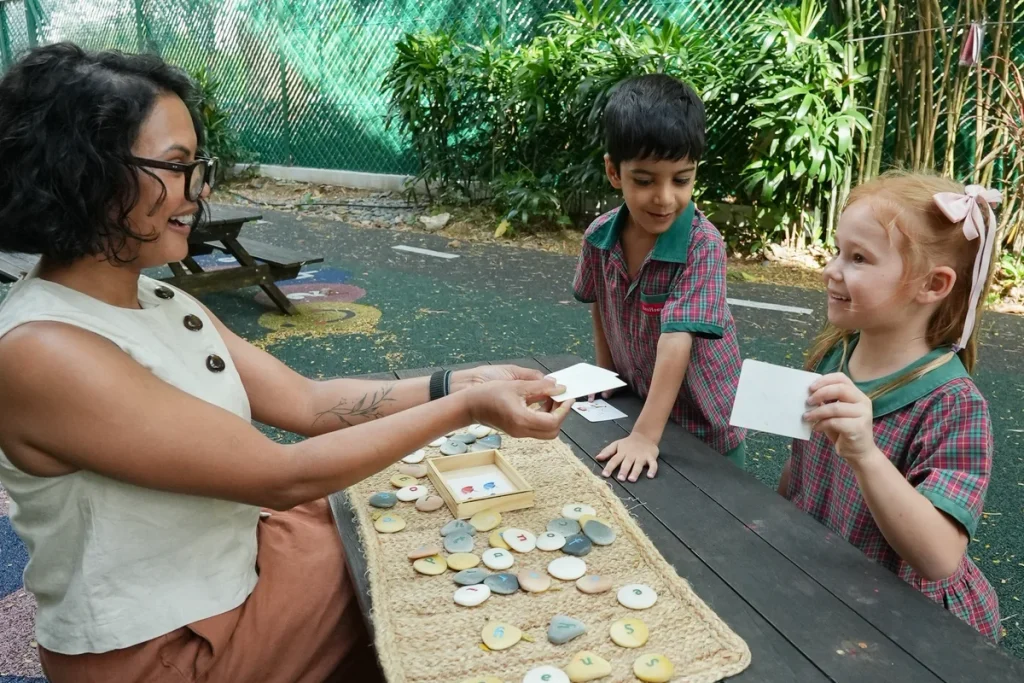
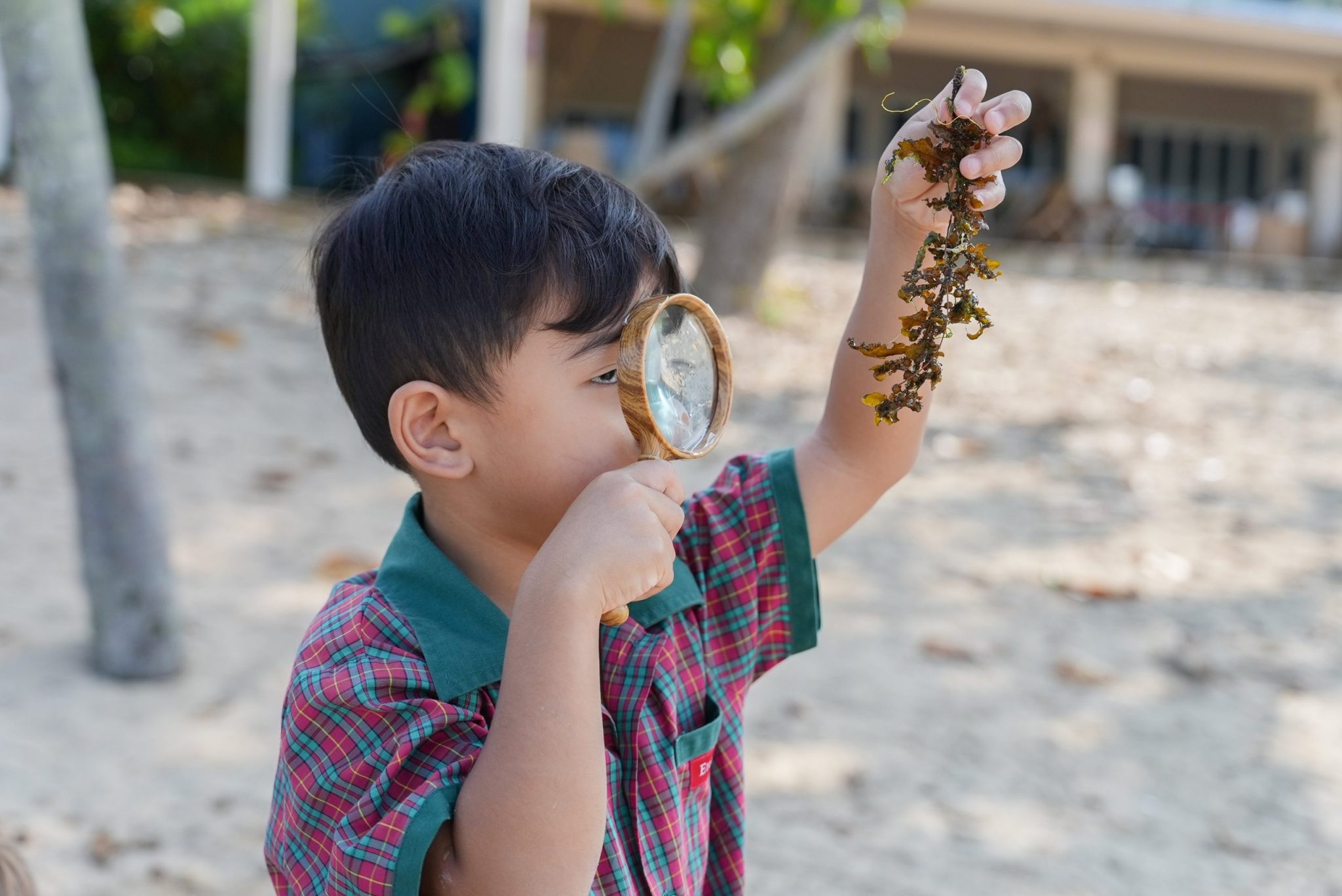
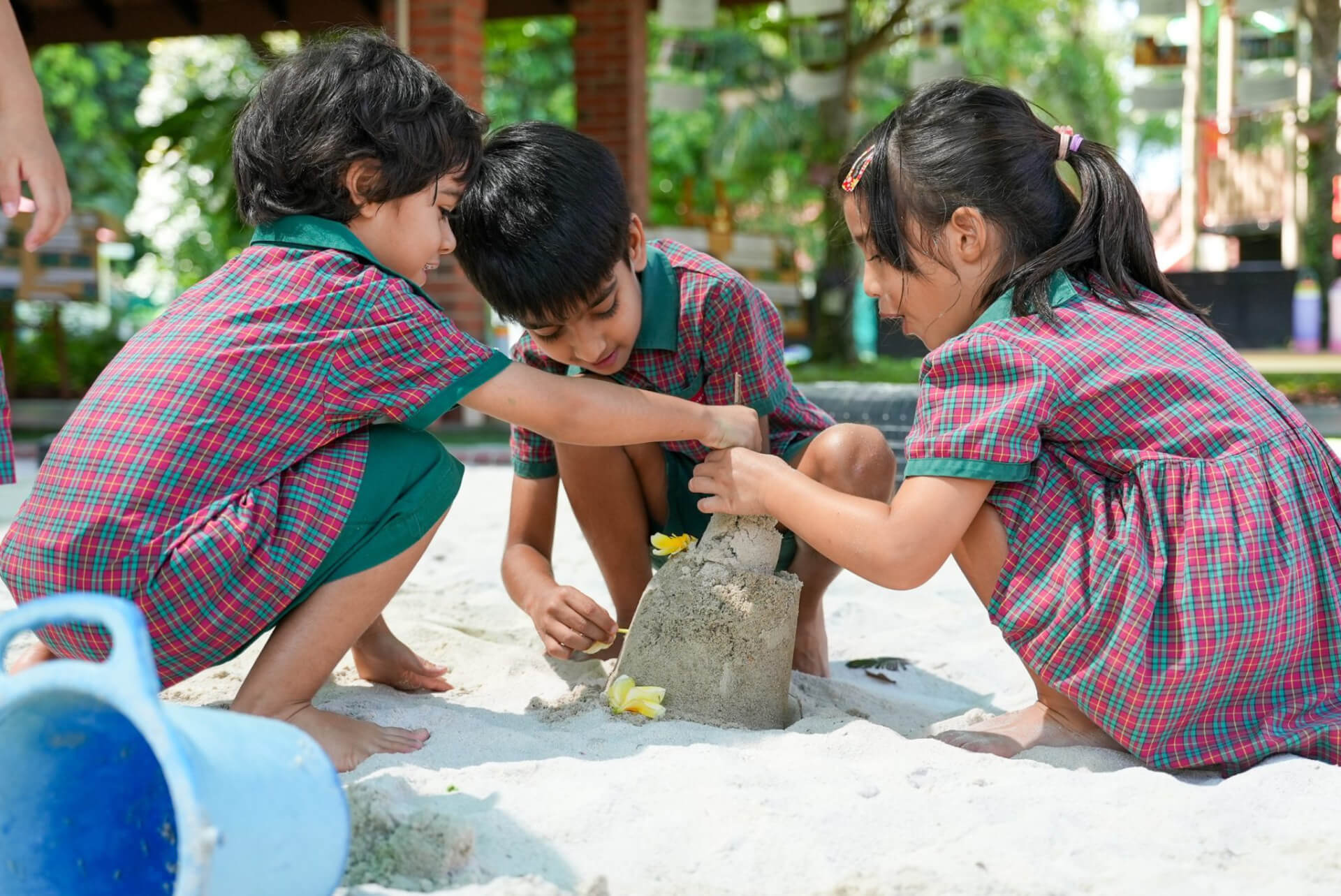
Allow unstructured play. When children determine for themselves the course of their interest, they engage in sustained play. What unanticipated discoveries might arise from children taking the lead in their own play? We can prepare an environment with a variety of stimuli as an invitation, leaving the “what” and “how” up to the child. Adopting an attitude of open-ended exploration allows children to use materials freely, often in ways that the adults may not be able to predict or prepare for even if they tried. It is a state of exploration that can only be achieved through open-ended play environments. Because young children hold no preconceptions about the capabilities of various materials, they are more apt to experiment. Children are capable learners and sometimes it is as simple as providing the time and space for children to ride the waves of their natural intelligences.
‘Creativity is the ability to challenge, question and explore. It involves taking risks, playing with ideas, keeping an open mind and making connections where none are obvious.’ – Victoria and Albert Museum of Childhood
When children are given unstructured time to explore and test out theories, they are discovering the world around them. Children learn by doing. Creativity does not have to be limited to painting a nice picture. Whoever decided what ‘nice’ is anyway? Labeling children’s art as ‘good’ or ‘bad’ is counter to free expression and imposes limits instead of being open to possibilities.
Creativity blossoms in an environment free of fear or coercion. It will not be hurried; it does not need to be. The finished product is secondary to the experimentation and experience of the child. Creativity encompasses a way of thinking and being in the world that doesn’t need proof to exist, only the joy of the experience gained.